
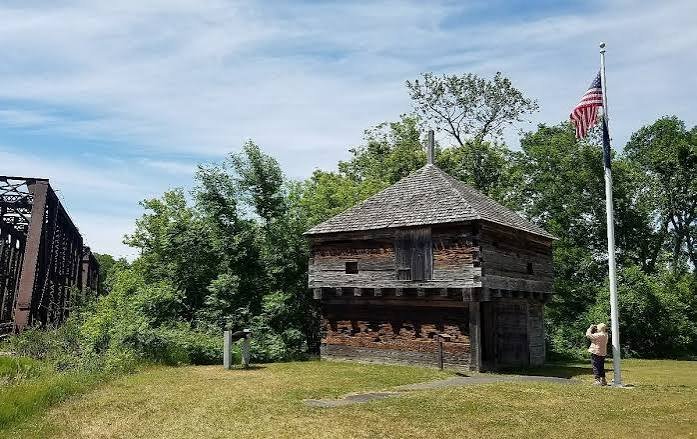
Fort Winslow, Colorado does not appear to be a documented city, town, or historic fort in Colorado. The phrase is most likely a misspelling or variation of Fort Collins, Colorado, a well-known city in northern Colorado named after a 19th-century military post. This article focuses on Fort Collins while addressing the “Fort Winslow Colorado” search term clearly and helpfully.
Fort Winslow Colorado: What People Usually Mean
If you searched for “Fort Winslow Colorado,” you may be looking for information about Fort Collins, the county seat of Larimer County and home to Colorado State University. There is no widely recognized place called “Fort Winslow” in Colorado, so the most accurate interpretation is that the query refers to Fort Collins or to a local landmark, neighborhood, business, or misspelled location.
Fort Collins began as a U.S. Army outpost in the 1860s and grew into one of northern Colorado’s most important cultural, educational, and outdoor-recreation centers. The city’s name comes from Lt. Col. William O. Collins of the 11th Ohio Volunteer Cavalry, not from a person named Winslow.fortcollins+1
Where Fort Collins Is Located
Fort Collins sits in northern Colorado, along the Cache la Poudre River, roughly an hour north of Denver and near the Wyoming border. It is the principal city of Larimer County and lies close to the foothills of the Rocky Mountains, making it a popular base for hiking, cycling, fishing, rafting, and mountain exploring.coloradoencyclopedia
The city’s location has always shaped its identity. Early travelers used the area as a stopping point along the Overland Trail, while farmers valued the Poudre River valley for irrigation and agriculture. Today, that same combination of river access, mountain proximity, and open space makes Fort Collins attractive to residents, students, entrepreneurs, and visitors.coloradoencyclopedia+1
The History Behind the Name
The history of Fort Collins begins with Camp Collins, established in 1862 to protect travelers, mail routes, and settlers along the Colorado branch of the Overland Trail. The original camp was located near present-day LaPorte, southwest of modern Fort Collins.history.fcgov+1
In June 1864, severe flooding on the Cache la Poudre River destroyed much of the original camp. Soldiers relocated downstream to higher ground near what is now Fort Collins’ Old Town district. In October 1864, the new post was occupied and became known as Fort Collins.coloradoencyclopedia+2
The fort was not a walled frontier fortress in the movie sense. It was a military reservation with log barracks, officers’ quarters, stables, a hospital, a guardhouse, a sutler’s store, and a parade ground. Its purpose was practical: protect stagecoaches, emigrants, and developing agricultural interests in the region.coloradoan+2
From Military Post to City
Fort Collins’ military role was relatively short. As conflicts in the region subsided and transportation patterns changed, the Army abandoned the post in 1866, and it was formally decommissioned in 1867.coloradoencyclopedia+2
After the military left, settlers remained. By 1872, the former reservation was opened to homesteading, and the community began to take shape. Fort Collins was incorporated as a town on February 3, 1873.database.history.fcgov+1
A major turning point came in 1870, when the site was selected for Colorado’s agricultural college, now Colorado State University. The arrival of the Colorado Central Railroad in 1877 further strengthened the local economy, helping Fort Collins become a thriving agricultural and commercial center.historycolorado+1
Fort Collins Today
Modern Fort Collins is best known as a lively university city with a strong outdoor culture, innovative businesses, craft breweries, historic districts, and extensive trail networks. Colorado State University remains central to the city’s economy and character, drawing students, researchers, athletes, and visitors from around the world.coloradoencyclopedia+1
The city balances historic preservation with growth. Old Town Fort Collins preserves much of the original commercial core, while newer neighborhoods, research parks, and recreational areas continue to expand around it. This blend of history and modernity is one reason Fort Collins frequently attracts people seeking a smaller-city lifestyle with access to major outdoor destinations.historycolorado+1
Old Town and Historic Sites
Old Town is the heart of Fort Collins and sits near the original location of the 1864 military post. The area includes roughly four blocks of historic buildings and developed as a commercial center after the fort closed and the town grew.historycolorado
Visitors interested in the city’s past can explore:
- Old Town Historic District, near the original fort site.historycolorado
- The Poudre River corridor, which shaped the city’s early settlement and continues to offer trails and natural space.
- Local museums and history resources, which document Camp Collins, early settlers, Indigenous history, and the growth of the city.fortcollins+1
- Colorado State University, whose founding transformed Fort Collins from a small agricultural settlement into an education and research hub.coloradoencyclopedia+1
Indigenous History and Context
Any accurate history of Fort Collins should recognize that the land had long been home to Indigenous peoples before the Army established Camp Collins. The City of Fort Collins notes that the area was home to a diverse Native community representing multiple Native Nations and Indigenous Peoples before the town’s military history and incorporation.fortcollins
The establishment of the fort occurred during a violent and disruptive period for Cheyenne and Arapaho people in Colorado. In 1864, Colorado Territorial Governor John Evans issued a proclamation directing “friendly” Cheyenne and Arapaho to go to Fort Lyon, while government actions targeted other groups. Fort Collins was decommissioned in 1868, leaving Hinono’eiteen people in the area without a home.fortcollins
Understanding this broader history adds important context to the city’s founding story and helps visitors approach local heritage with accuracy and respect.fortcollins+1
Outdoor Recreation and Lifestyle
Fort Collins is often associated with an active, outdoors-oriented lifestyle. The nearby foothills, Poudre Canyon, reservoirs, bike paths, and open spaces provide year-round opportunities for recreation.
Popular activities include:
- Hiking and trail running in the foothills and nearby mountain areas
- Road cycling and mountain biking
- Kayaking, tubing, and fishing on regional waterways
- Wildlife viewing and photography
- Visiting local parks, breweries, farmers markets, and cultural events
The city’s connection to the Cache la Poudre River is especially important. The river not only influenced the original fort’s location but also remains a defining natural feature of the community.coloradoencyclopedia+1
Why People Confuse “Fort Winslow” With Fort Collins
There are several possible reasons someone might search for “Fort Winslow Colorado”:
- Typing error: “Winslow” may be a mistaken spelling of “Collins.”
- Name confusion: Winslow is a real place name elsewhere in the United States, which can create confusion in search results.
- Local reference: A business, housing development, street, or online listing may use “Fort Winslow” informally, even though it is not an official municipality.
- Historical mix-up: People researching Colorado forts may encounter many similarly named posts and accidentally combine names.
The safest and most accurate answer is that Fort Winslow, Colorado is not an established city or recognized historic fort, while Fort Collins, Colorado is a major, well-documented city with a genuine fort history.fortcollins+2
Visiting Fort Collins
If your goal is to visit the place behind the search term, Fort Collins is a rewarding destination. Start in Old Town to experience historic architecture, restaurants, shops, and local culture. Then head toward the Poudre River trail system or nearby foothills for outdoor activities.
For history-focused travelers, the best approach is to explore Old Town, learn about Camp Collins, and visit local historical resources that explain how a small military outpost became a modern city. The original fort site was located between what is now North College Avenue and Jefferson Street, near the Poudre River.coloradoan+1
Practical Travel Tips
- Best seasons: Late spring through early fall offers the widest range of outdoor activities, though winter can be excellent for snow sports nearby.
- Getting around: Fort Collins is bike-friendly, and many attractions are accessible by car, bicycle, or public transit.
- What to pack: Layers are useful because northern Colorado weather can change quickly, especially near the foothills.
- History stops: Prioritize Old Town, the Poudre River area, and Colorado State University for a well-rounded visit.historycolorado+2
Frequently Asked Questions
Is Fort Winslow a real place in Colorado?
There is no widely recognized municipality, town, or historic fort called Fort Winslow in Colorado. The search term most likely refers to Fort Collins.fortcollins+1
Why is Fort Collins called Fort Collins?
It is named after Lt. Col. William O. Collins, commander of the 11th Ohio Volunteer Cavalry and headquarters commander at Fort Laramie. Camp Collins was named in his honor before the relocated post became Fort Collins.fortcollins+2
When was Fort Collins founded?
Camp Collins was established in 1862. After flooding in 1864, the post moved downstream and became Fort Collins in 1864. The town was incorporated in 1873.fortcollins+2
Is Fort Collins worth visiting?
Yes. Fort Collins offers historic Old Town, Colorado State University, craft breweries, extensive trails, river access, and easy access to the Rocky Mountain foothills.historycolorado+1
What is Fort Collins known for?
It is known for Colorado State University, outdoor recreation, craft beer, bicycling, historic Old Town, and its origins as a 19th-century Army post.coloradoencyclopedia+1
Conclusion
“Fort Winslow Colorado” appears to be an incorrect or informal search phrase, most likely referring to Fort Collins, Colorado. Fort Collins has a compelling history that began with Camp Collins in 1862, continued through the establishment of Fort Collins in 1864, and evolved into a dynamic modern city after the military post closed.fortcollins+2
Whether you are researching Colorado history, planning a trip, or trying to identify a place name, Fort Collins is the most relevant destination behind this keyword. Its combination of frontier history, university culture, river landscapes, and mountain access makes it one of northern Colorado’s most distinctive cities.