
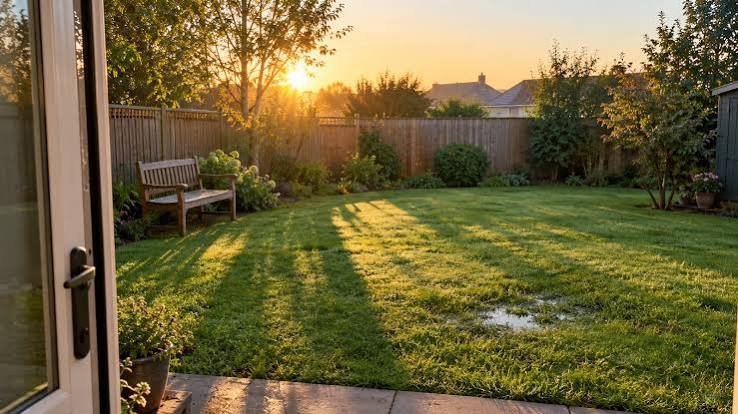
A well-planned yard is more than grass, plants, and patio furniture—it is an extension of your home. The Yard Guide DecadGarden approach focuses on creating an outdoor space that looks beautiful, works for your lifestyle, and stays manageable through every season. Whether you have a compact city yard, a suburban backyard, or a large rural property, the right plan can turn an ordinary outdoor area into a place for relaxation, gardening, entertaining, and family time.
This guide walks you through the essential steps of yard planning, landscaping, planting, lawn care, hardscaping, and year-round maintenance. It is designed for beginners as well as homeowners who want to refresh an existing yard with practical, long-lasting ideas.
What Is the Yard Guide DecadGarden Approach?
The Yard Guide DecadGarden approach is a simple way to think about your yard as a connected outdoor living system. Instead of choosing plants or furniture randomly, you design the space around how you want to use it.
A strong yard plan balances four elements:
- Function: Dining, play, gardening, pets, storage, or relaxation
- Beauty: Color, texture, seasonal interest, and visual balance
- Maintenance: The amount of time, water, and effort you can realistically give
- Environment: Sunlight, soil, drainage, climate, and local wildlife
Good yard design does not require a huge budget. It requires thoughtful choices. A small yard with clear zones, healthy plants, and tidy borders can feel more inviting than a large yard with no structure.
Start With a Yard Assessment
Before buying plants, furniture, or landscaping materials, spend time observing your yard. This first step helps you avoid expensive mistakes.
Check Sunlight and Shade
Walk through your yard at different times of day. Note which areas receive full sun, partial shade, or deep shade.
- Full sun: Six or more hours of direct sunlight daily
- Partial shade: Three to six hours of sunlight daily
- Full shade: Less than three hours of direct sunlight daily
Sunlight determines what you can grow. Vegetables, many flowering plants, and most lawn grasses need abundant light. Ferns, hostas, and many shade-loving groundcovers perform better in protected, darker areas.
Study Soil and Drainage
Healthy soil is the foundation of a successful yard. Check whether water pools after rain or drains quickly. Soggy areas may need grading, drainage solutions, or plants that tolerate wet soil. Dry, sandy soil may benefit from compost and mulch to hold moisture.
A simple soil test can tell you the pH level and whether your soil lacks important nutrients. Most garden plants prefer well-draining soil rich in organic matter.
Measure Your Space
Measure the yard and sketch a basic map. Include doors, windows, fences, trees, slopes, utility areas, and existing features. This map becomes your planning tool.
Even a rough drawing helps you visualize where to place a patio, garden beds, walkway, play area, or compost bin.
Define Yard Zones
The best yards feel organized because each area has a purpose. Divide your outdoor space into practical zones based on daily use.
Relaxation Zone
This may include a patio, deck, hammock, bench, or shaded seating area. Place it where you can enjoy the best view of the garden while still feeling private.
Dining and Entertaining Zone
If you enjoy outdoor meals, create a dining area close to the kitchen or back door. A table, weather-resistant chairs, lighting, and nearby storage for cushions or grill tools make the space more convenient.
Garden Zone
Dedicate space for flowers, vegetables, herbs, or raised beds. Position vegetable gardens where they receive plenty of sunlight and are easy to water.
Play or Pet Zone
Families with children or pets should include a durable, open area. Hard-wearing grass, artificial turf, gravel, or mulch can work depending on your needs and climate.
Service Zone
Locate compost bins, trash storage, tools, and utility items in a less visible area. Screening them with fencing, trellises, or tall plants keeps the yard looking clean.
Choose a Yard Style
A clear style gives your yard a cohesive look. You do not need to follow one style perfectly, but repeating colors, materials, and plant shapes creates harmony.
Modern Minimalist Yard
Modern yards use clean lines, simple plant shapes, gravel, concrete, wood, and limited color palettes. They are ideal for homeowners who want a low-maintenance, contemporary look.
Cottage Garden Style
Cottage gardens are full of flowering plants, climbing vines, curved paths, and informal planting. This style feels romantic and welcoming but may require more regular care.
Natural or Wildlife-Friendly Yard
This style uses native plants, pollinator flowers, bird-friendly shrubs, and natural materials. It supports bees, butterflies, and birds while reducing the need for heavy maintenance.
Family-Friendly Yard
A family yard prioritizes safety, durability, and flexible space. It may include a lawn, shaded seating, storage for toys, and sturdy paths that survive frequent use.
Plan Your Landscaping Layers
Professional-looking yards use layers. This creates depth and makes the space feel intentional.
Trees and Large Shrubs
Trees provide shade, privacy, and structure. Choose species suited to your climate and available space. Avoid planting large trees too close to foundations, driveways, or underground pipes.
Mid-Level Shrubs
Shrubs define borders, soften fences, and add year-round shape. Evergreen shrubs provide winter interest, while flowering shrubs bring seasonal color.
Flowers and Perennials
Perennials return each year and can reduce long-term planting costs. Mix plants with different bloom times so your yard has color from spring through fall.
Groundcovers and Mulch
Groundcovers reduce bare soil, suppress weeds, and prevent erosion. Mulch helps soil retain moisture, regulates temperature, and gives garden beds a finished appearance.
Lawn Care Made Simple
A healthy lawn does not have to be perfect. Focus on creating thick, resilient grass rather than chasing a flawless green carpet.
Mow Correctly
Mow at the proper height for your grass type. Cutting too short stresses the lawn and encourages weeds. Keep mower blades sharp, and avoid removing more than one-third of the grass height in a single mowing.
Water Deeply, Not Daily
Frequent light watering encourages shallow roots. Instead, water deeply and less often, allowing moisture to reach the root zone. Early morning is usually the best time to water because less water evaporates.
Feed According to Season
Fertilize based on your grass type and local growing season. Too much fertilizer can burn grass and contribute to runoff. A soil test helps you apply only what your lawn actually needs.
Control Weeds Naturally
A dense, healthy lawn naturally crowds out many weeds. Pull weeds early, improve soil health, and overseed thin areas rather than relying only on chemical treatments.
Choose Plants That Fit Your Yard
Plant selection is where many yard projects go wrong. The most beautiful plant can become a burden if it needs more sun, water, or space than your yard provides.
Use Native and Climate-Appropriate Plants
Native plants are often easier to maintain because they are adapted to local conditions. They can also support local pollinators and wildlife. Check your regional plant hardiness zone and choose plants suited to your rainfall and temperature range.
Mix Evergreens and Seasonal Color
Evergreens keep the yard looking alive in winter. Flowering perennials and annuals add seasonal excitement. A balanced mix prevents the yard from looking empty in colder months.
Consider Mature Size
Always check the mature height and width of a plant. A small shrub in a nursery pot may eventually block a window, crowd a walkway, or overwhelm neighboring plants.
Add Hardscaping for Structure
Hardscaping includes non-plant elements such as paths, patios, walls, fences, raised beds, and decorative stones. These features give your yard structure and make it easier to use.
Paths and Walkways
Paths guide movement and protect grass from heavy foot traffic. Use materials that match your home and garden style, such as gravel, pavers, brick, stone, or stepping stones.
Patios and Decks
A patio or deck creates a stable foundation for furniture, dining, and entertaining. Choose a location with good drainage and convenient access to the house.
Raised Garden Beds
Raised beds improve drainage, warm up faster in spring, and make gardening easier on the back and knees. They are especially useful for vegetables, herbs, and flowers.
Borders and Edging
Edging keeps grass out of garden beds and gives the yard a neat, finished look. Steel, stone, brick, wood, or plastic edging can all work depending on your design.
Make the Yard Comfortable
Comfort turns a yard into a destination. Think about how the space feels throughout the day and in different weather conditions.
Add Shade
Shade makes outdoor spaces usable during hot afternoons. Options include trees, pergolas, umbrellas, shade sails, and retractable awnings.
Use Outdoor Lighting
Lighting improves safety and extends the time you can enjoy your yard. Use path lights near walkways, spotlights for trees or architectural features, and warm string lights for seating areas.
Create Privacy
Fences, hedges, trellises, tall grasses, and layered shrubs can block unwanted views. Privacy does not always require a solid wall; a mix of plants and structures often looks more natural.
Reduce Noise
Water features, dense hedges, fences, and strategic planting can help soften street noise. Even a small fountain can make a yard feel calmer.
Seasonal Yard Maintenance Checklist
A yard stays attractive when maintenance is spread across the year. Use this simple seasonal guide.
Spring
- Clean debris from beds and lawn
- Prune damaged branches
- Refresh mulch
- Plant seasonal flowers and vegetables
- Check irrigation and repair leaks
Summer
- Water deeply during dry periods
- Mow regularly but avoid scalping
- Deadhead flowers to encourage more blooms
- Monitor pests and diseases early
- Keep patios and paths clean
Fall
- Rake or mulch fallen leaves
- Plant spring-blooming bulbs
- Aerate compacted lawn areas if needed
- Cut back spent perennials where appropriate
- Protect tender plants before frost
Winter
- Prune dormant trees and shrubs when suitable
- Inspect fences, gates, and outdoor lighting
- Plan next year’s garden layout
- Protect pipes, furniture, and delicate plants
- Avoid walking on frozen grass
Budget-Friendly Yard Improvement Ideas
You do not need a full landscape renovation to improve your yard. Small changes can make a major difference.
- Add fresh mulch to garden beds
- Paint or stain an old fence
- Install solar path lights
- Create a gravel sitting area
- Plant a few large containers near the entrance
- Build a simple raised bed from cedar or recycled materials
- Use climbing plants to soften a plain wall or fence
- Group pots of different heights for instant visual interest
Start with the areas you see most often, such as the entryway, patio, or main garden bed. Improving high-impact spaces first makes the entire yard feel refreshed.
Common Yard Mistakes to Avoid
Many yard problems come from rushing the planning stage. Avoid these common errors:
- Planting without checking sunlight requirements
- Choosing plants that outgrow their space
- Ignoring drainage and water flow
- Using too many different materials or colors
- Placing seating in an uncomfortable or exposed location
- Overwatering lawns and garden beds
- Forgetting about storage for tools and furniture
- Designing only for summer and neglecting winter interest
A successful yard evolves over time. You do not need to complete everything in one season.
Final Thoughts on Yard Guide DecadGarden
The Yard Guide DecadGarden method is about creating an outdoor space that fits your life—not copying a picture-perfect garden that may not suit your climate, budget, or schedule. Begin with a clear assessment, divide the yard into useful zones, choose plants that thrive in your conditions, and maintain the space with a simple seasonal routine.
A great yard grows better with time. Start with strong basics—healthy soil, good drainage, practical paths, comfortable seating, and well-chosen plants—then add details as you learn what your outdoor space needs. With patience and consistent care, your yard can become one of the most enjoyable and valuable parts of your home.