
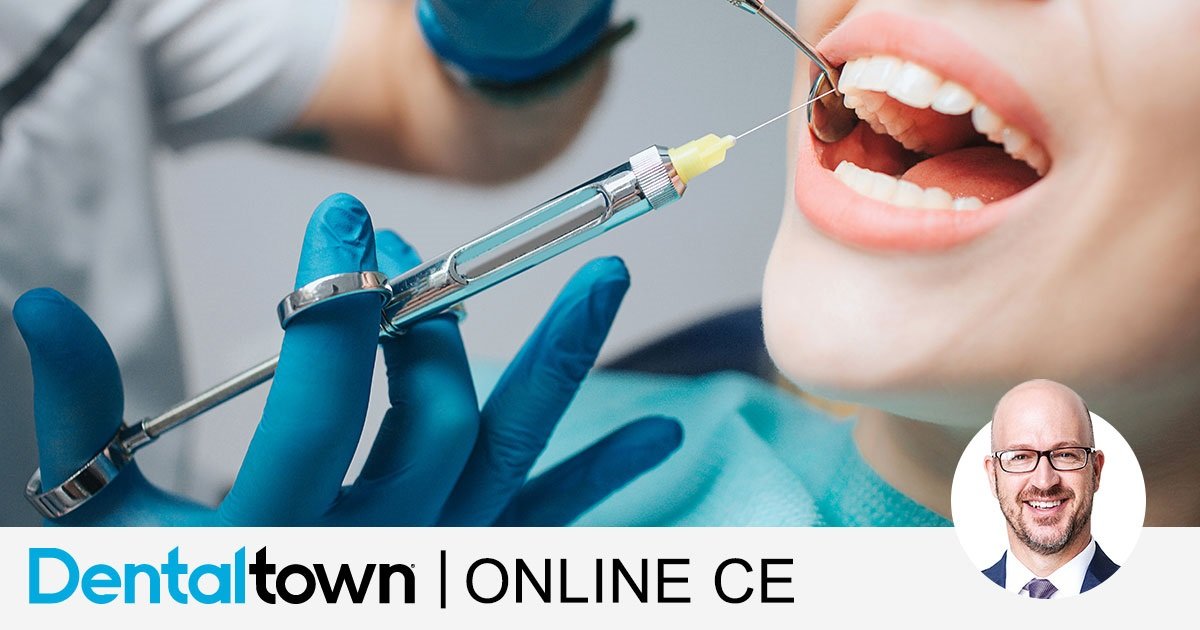
Dentaltown CE refers to continuing education opportunities available through Dentaltown, an online community and learning platform for dentists, hygienists, assistants, office managers, and other dental professionals. For many practitioners, it is a convenient way to earn CE credits, stay current with clinical developments, and strengthen both patient care and practice management skills.
Continuing education is more than a licensing requirement. It is an ongoing professional responsibility that helps dental teams deliver safer treatment, adopt new technology responsibly, communicate more effectively with patients, and adapt to a rapidly changing healthcare environment. This guide explains what Dentaltown CE is, how it works, who can benefit from it, and how to use it strategically for career growth.
What Is Dentaltown CE?
Dentaltown CE is the continuing education section of Dentaltown, a platform created for dental professionals to learn, discuss clinical topics, share experiences, and access educational resources. The platform is widely known for its community-driven approach, where dentists and team members can engage with real-world practice questions alongside formal educational content.
Dentaltown CE typically includes courses, articles, webinars, videos, and other learning materials designed to help dental professionals meet CE requirements. Depending on the course format and provider requirements, users may be able to earn credits after completing the learning activity and passing an assessment.
The value of Dentaltown CE comes from its practical focus. Rather than offering only theoretical content, many courses address issues dental professionals encounter daily, such as treatment planning, infection control, patient communication, dental implants, restorative dentistry, practice growth, and team management.
Why Continuing Education Matters in Dentistry
Dentistry evolves constantly. New materials, digital workflows, diagnostic tools, treatment techniques, regulatory expectations, and patient expectations all change over time. A dentist who graduated years ago cannot rely solely on dental school training to remain current throughout a long career.
Continuing education helps dental professionals:
- Maintain or renew professional licenses where CE credits are required
- Learn updated clinical protocols and evidence-based approaches
- Reduce clinical and compliance risks
- Improve patient outcomes and safety
- Expand the services a practice can offer
- Build confidence in new procedures and technologies
- Support career advancement and specialization
- Strengthen leadership and business-management skills
For dental teams, CE is equally important. Hygienists, assistants, front-office staff, and practice managers all influence patient experience, operational efficiency, and treatment acceptance. When the entire team learns together, the practice becomes more consistent and better prepared to deliver high-quality care.
Who Should Use Dentaltown CE?
Dentaltown CE is designed for a broad range of dental professionals, including:
Dentists
General dentists and specialists can use CE courses to review core clinical concepts, learn about emerging techniques, and explore advanced topics such as implants, oral surgery, endodontics, orthodontics, sleep dentistry, and cosmetic dentistry.
Dental Hygienists
Hygienists can benefit from education related to periodontal therapy, preventive care, patient education, local anesthesia, infection prevention, and managing medically complex patients.
Dental Assistants
Assistants can strengthen their knowledge of chairside procedures, sterilization, radiography, treatment coordination, patient communication, and practice workflows.
Office Managers and Front-Desk Teams
CE is not limited to clinical learning. Practice leaders can study scheduling, insurance verification, treatment presentations, patient retention, marketing, leadership, and financial performance.
Dental Students and New Graduates
New professionals can use CE to bridge the gap between formal education and real-world practice. Courses that focus on communication, case acceptance, business fundamentals, and clinical confidence can be especially valuable during the early career stage.
Key Benefits of Dentaltown CE
1. Flexible Online Learning
One of the biggest advantages of online CE is flexibility. Dental professionals often have demanding schedules, and attending in-person conferences is not always practical. Online courses allow learners to study at times that fit their availability, whether early in the morning, between patients, or after office hours.
This flexibility makes it easier to maintain a consistent learning habit instead of rushing to complete credits before a renewal deadline.
2. Access to Practical Dental Knowledge
Dentaltown has a strong reputation for practical, peer-oriented dental education. Its community roots mean that many discussions and learning resources reflect the realities of running a dental practice, not just textbook theory.
For example, a dentist considering a new piece of equipment may want to understand not only how it works clinically, but also how it affects workflow, staff training, patient acceptance, and return on investment. Practical CE can address those broader considerations.
3. Broad Range of Topics
Dentaltown CE can cover many areas of dentistry, including:
- Restorative dentistry
- Implant dentistry
- Periodontics
- Endodontics
- Oral surgery
- Pediatric dentistry
- Orthodontics and clear aligners
- Digital dentistry
- Infection control
- Radiology and imaging
- Practice management
- Patient communication
- Dental marketing
- Team training
- Regulatory compliance
This range allows professionals to build a personalized learning path based on their role, interests, and professional goals.
4. Convenient Credit Tracking
Many dental professionals need to document CE credits for license renewal, specialty requirements, or employer training records. Online CE platforms often make it easier to access course records, completion certificates, and credit information in one place.
Even so, every learner should verify their state board or licensing authority’s rules before relying on any course for official credit.
5. Community and Peer Perspective
Dentistry can feel isolating, especially for practice owners or professionals working in smaller teams. Dentaltown’s community aspect gives members a place to ask questions, compare experiences, and learn from colleagues who have faced similar challenges.
That peer perspective can be especially useful when evaluating new products, treatment approaches, staffing issues, or practice-management decisions.
How to Get Started with Dentaltown CE
Step 1: Create or Access Your Account
Start by visiting the Dentaltown website and creating an account if you do not already have one. A registered account is generally needed to access member features, participate in discussions, and track learning activity.
Step 2: Explore the CE Section
Navigate to the continuing education area and browse available courses by topic, format, or credit type. Look for content that matches your current professional needs rather than choosing courses only because they are quick or inexpensive.
Step 3: Check Accreditation and Credit Rules
Before enrolling, confirm whether the course is accepted by your licensing board. CE requirements vary by state, country, profession, and license type. Some boards require specific topics, such as infection control, ethics, or controlled-substance education.
Important questions to ask include:
- Does my licensing board accept this course?
- How many CE credits does the course provide?
- Is the course live, self-paced, or on-demand?
- Is there a quiz or assessment?
- Will I receive a completion certificate?
- Does the course meet any mandatory subject requirements?
Step 4: Complete the Course and Assessment
Follow the course material carefully. Many CE programs require learners to pass a quiz or assessment to receive credit. Take notes, review key concepts, and make sure you understand how the information applies to your daily work.
Step 5: Save Your Documentation
After completion, download or save your certificate and any relevant course details. Keep organized records of course titles, providers, completion dates, credit hours, and certificate numbers. This documentation can be essential during license renewal or an audit.
How to Choose the Right CE Courses
Not all CE is equally valuable. To choose the best Dentaltown CE courses for your needs, start with a simple professional development plan.
Identify Your Learning Goals
Ask yourself what you want to improve over the next 6 to 12 months. Your goal may be clinical, such as improving restorative skills, or operational, such as reducing no-shows and improving case acceptance.
Examples of learning goals include:
- Improve diagnosis and treatment planning
- Learn a new digital workflow
- Strengthen periodontal maintenance protocols
- Improve patient communication
- Increase treatment acceptance
- Train the team on infection control
- Develop leadership skills
- Prepare for expanded practice responsibilities
Match Courses to Your Role
A dentist, hygienist, assistant, and office manager should not necessarily take the same courses. Choose learning that supports your specific responsibilities.
| Professional Role | Useful CE Focus Areas |
|---|---|
| Dentist | Clinical techniques, diagnosis, treatment planning, implants, digital dentistry |
| Hygienist | Periodontal care, prevention, patient education, anesthesia, infection control |
| Assistant | Chairside efficiency, sterilization, radiography, patient support |
| Office manager | Scheduling, insurance, leadership, patient retention, practice growth |
| Practice owner | Business strategy, team culture, compliance, marketing, financial management |
Prioritize Evidence-Based Learning
Look for courses that explain the rationale behind recommendations, cite credible sources where appropriate, and distinguish between established evidence and emerging techniques. High-quality CE should help you make informed clinical and business decisions, not simply promote a product.
Balance Clinical and Non-Clinical Learning
Clinical knowledge is essential, but practice success also depends on communication, leadership, organization, and patient experience. A balanced CE plan may include both technical courses and professional-development courses.
Best Practices for Getting the Most from Dentaltown CE
Create a CE Calendar
Do not wait until the end of the renewal period to complete credits. Create a simple CE calendar that spreads learning across the year. For example, plan one course per month or one focused learning block each quarter.
Learn as a Team
If you own or manage a practice, consider selecting courses that the entire team can discuss together. A short team meeting after a course can turn passive learning into practical implementation.
Questions to discuss after a course include:
- What did we learn?
- What should we change in our workflow?
- What risks or opportunities did the course identify?
- How will we measure improvement?
- Who is responsible for implementation?
Apply One Improvement at a Time
Learning becomes valuable when it changes behavior. After completing a course, choose one specific improvement to implement. It could be a new patient-education script, an updated sterilization checklist, a better scheduling process, or a revised treatment-presentation approach.
Trying to change too many things at once often leads to poor adoption. One clear improvement, consistently applied, is more effective.
Track Results
If the CE topic relates to practice performance, measure the outcome. For example:
- Track patient acceptance after changing a treatment presentation process
- Monitor no-show rates after improving confirmation workflows
- Review hygiene recall rates after updating patient communication
- Assess clinical confidence before and after a skill-based course
- Measure team feedback after leadership training
Data helps determine whether the education produced a meaningful return.
Common CE Topics for Dental Practices
Infection Control and Patient Safety
Infection prevention is one of the most important recurring CE subjects. Courses may cover sterilization, disinfection, personal protective equipment, waterline safety, exposure protocols, and documentation.
Digital Dentistry
Digital dentistry continues to expand across scanning, design, milling, 3D printing, imaging, and treatment planning. CE can help practices evaluate which technologies are worth adopting and how to train staff effectively.
Implant Dentistry
Implant education may include treatment planning, surgical principles, restoration workflows, maintenance, complications, and patient selection. Because implant dentistry can be complex, dentists should ensure that any advanced education matches their experience level and scope of practice.
Practice Management
Strong clinical skills alone do not guarantee a successful practice. CE in scheduling, insurance, leadership, patient experience, financial systems, and marketing can help a practice operate more smoothly.
Patient Communication
Clear communication improves trust, reduces anxiety, and increases treatment acceptance. Courses in this area may focus on explaining diagnoses, presenting financial options, handling objections, and improving follow-up.
SEO Tips for Dental CE Content
If you are writing about Dentaltown CE for a dental website or blog, focus on helping readers rather than repeating the keyword. Search engines generally favor useful, original, well-structured content that answers the user’s question clearly.seo+1
Use the keyword “Dentaltown CE” naturally in the title, introduction, at least one heading, and throughout the article where it fits. Avoid keyword stuffing, which can make content feel unnatural and reduce quality.semrush
A strong SEO structure includes:
- A clear H1 title containing the main keyword
- Logical H2 and H3 headings
- Short paragraphs and scannable lists
- Answers to common user questions
- Internal links to related dental CE or practice-growth pages
- A clear call to action
- Accurate, current information
- Original insights rather than duplicated content
Well-organized content with clear headings helps both readers and search engines understand the page, while internal and external links can support credibility and context.semrush
Frequently Asked Questions
What does Dentaltown CE mean?
Dentaltown CE means continuing education offered through Dentaltown for dental professionals. It may include online courses, articles, videos, webinars, and other learning resources that can help users earn CE credits.
Can Dentaltown CE credits count toward license renewal?
It depends on your licensing board and the specific course. Always verify whether the course is accepted in your jurisdiction and whether it meets any mandatory subject requirements before counting it toward renewal.
Is Dentaltown CE only for dentists?
No. Dentaltown CE can be useful for dentists, hygienists, assistants, office managers, students, and other members of the dental team.
How many CE credits do dental professionals need?
CE requirements vary widely by location, profession, license type, and renewal period. Check directly with your state dental board, hygiene board, or relevant licensing authority.
Is online CE as valuable as in-person CE?
Online CE can be highly valuable because it is flexible, accessible, and often focused on practical topics. However, hands-on clinical skills may require in-person training, simulation, or supervised instruction depending on the procedure and local regulations.
How often should dental professionals complete CE?
Many professionals complete CE throughout the year rather than waiting until a renewal deadline. A consistent schedule makes learning more useful and reduces stress during license renewal periods.
Final Thoughts
Dentaltown CE is a practical option for dental professionals who want flexible, accessible, and relevant continuing education. Whether you are a dentist building advanced clinical skills, a hygienist strengthening preventive-care knowledge, or an office manager improving practice operations, CE can support better patient care and stronger professional performance.
The best approach is to treat CE as an ongoing growth strategy, not merely a requirement. Choose courses aligned with your goals, verify credit eligibility, apply what you learn, and involve your team whenever possible. When used intentionally, Dentaltown CE can help dental professionals stay current, confident, and competitive in a demanding industry.