
Introduction
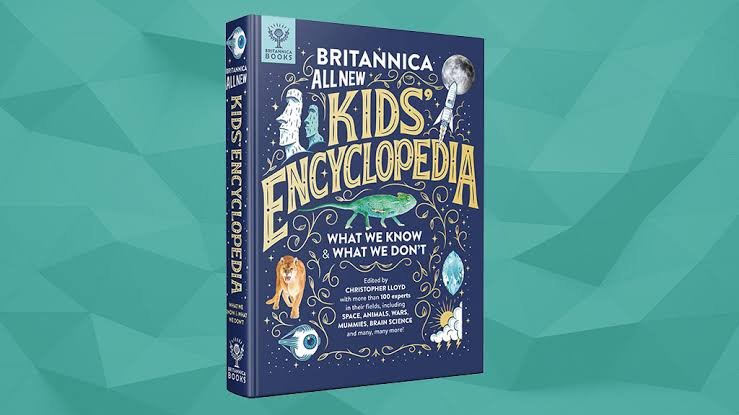
In the modern digital age, access to accurate and trustworthy information has become more important than ever. Students, teachers, researchers, and curious readers regularly search online for reliable knowledge about history, science, technology, geography, literature, and countless other subjects. Among the most recognized names in educational publishing is Britannica, a well-established source of information known for its encyclopedias and educational resources.
Britannica has built a strong reputation by making knowledge accessible to people around the world. What originally became famous through printed encyclopedias has developed into a digital platform offering articles, explanations, educational materials, and reference resources. Its online presence allows readers to explore different topics without needing a physical collection of books.
Whether someone wants to understand a historical event, learn about a scientific discovery, or research an unfamiliar subject, Britannica provides an organized starting point for learning. This article explores Britannica’s history, features, educational value, advantages, and importance in today’s information-driven world.
What Is Britannica?
Britannica is a well-known educational reference brand that provides information across a wide range of academic and general-interest subjects. It is particularly recognized for Encyclopaedia Britannica, one of the world’s most established encyclopedia publications.
The platform covers subjects such as:
- History and world civilizations
- Science and technology
- Geography and environmental studies
- Arts and literature
- Politics and government
- Mathematics and education
- Famous people and important historical events
Britannica aims to present information in an organized and understandable format. Its content is useful for readers who want introductory explanations as well as those looking for more detailed background information.
The History and Development of Britannica
Britannica has a long publishing history that dates back to the eighteenth century. Its first edition of Encyclopaedia Britannica was published in Edinburgh, Scotland, between 1768 and 1771.
Over the years, the encyclopedia developed through multiple editions, expanding its coverage and adapting to changes in knowledge, education, and publishing technology.
For generations, printed Britannica volumes were familiar resources in schools, libraries, universities, and households. However, the growth of computers and the internet changed how people accessed reference information.
Britannica responded to this transformation by developing digital resources. Its online platform made it possible for readers to access educational content through computers and other internet-connected devices.
Today, the brand represents a combination of traditional reference publishing and modern digital learning.
Main Features of Britannica
Britannica offers several features that make it a useful destination for educational research and general knowledge.
1. Extensive Educational Articles
One of Britannica’s most important features is its extensive collection of articles. These articles explain different subjects using structured information and clear writing.
Readers can explore topics ranging from ancient civilizations to modern scientific discoveries. This broad coverage makes the platform useful for people with different educational interests.
2. Reliable Reference Information
Finding trustworthy information online can sometimes be difficult. Britannica focuses on providing researched and edited reference content.
Its editorial approach helps readers distinguish educational reference material from unverified online information. Nevertheless, important academic work should still involve checking original research and additional authoritative sources.
3. Easy-to-Understand Explanations
Educational information is most useful when readers can understand it. Britannica presents many subjects through organized explanations, headings, and supporting details.
This structure helps readers understand unfamiliar concepts without having to navigate complicated academic material immediately.
4. Multimedia Learning Resources
Digital learning is not limited to reading paragraphs. Images, illustrations, videos, and other multimedia resources can help explain complicated subjects.
Depending on the resource, Britannica’s digital offerings provide different ways to explore information and improve understanding.
5. Search and Topic Discovery
A well-organized search experience helps readers find information about specific subjects. Instead of browsing through physical volumes, users can search for a topic and explore related educational material online.
This makes research more convenient and allows readers to move between connected subjects.
How Britannica Supports Students and Teachers
Education is one of the most important areas where Britannica provides value. Students frequently need reliable information for homework, classroom assignments, presentations, and independent research.
Britannica offers dedicated educational resources designed for different learning levels. Its Britannica School platform provides educational articles, images, videos, and other materials that support classroom learning.
Teachers can also use Britannica resources to prepare lessons, introduce new topics, and encourage students to explore subjects independently. These resources help make complicated academic concepts easier to understand.
Britannica’s educational products include Britannica School, Britannica Academic, Britannica Library, and Britannica Studio. Each serves different learning environments and educational needs. US+1
Is Britannica Free to Use?
One common question among online readers is whether Britannica is free. The answer depends on the content and service being accessed.
Britannica.com offers access to encyclopedia information, although some content and features may require a subscription. Its specialized educational products are generally designed for schools, universities, libraries, and other institutions with specific access arrangements.
Readers should check the official website to understand current subscription options, available content, and access requirements.
Britannica vs. Other Online Information Sources
There are many websites where people can find educational information, but not every source follows the same editorial standards.
Britannica is particularly recognized for its established encyclopedia publishing tradition and editorial approach. Its articles are designed to provide structured explanations rather than simply presenting collections of unverified information.
Other online platforms may offer different advantages, including community contributions, academic publications, or breaking news. Therefore, the best source depends on the reader’s purpose.
For school assignments and general research, Britannica can be a useful starting point. However, consulting multiple reliable sources is always a good practice.
Advantages of Using Britannica
Britannica offers several benefits that make it valuable for modern readers.
1. Broad Subject Coverage: Readers can explore thousands of subjects across science, history, geography, culture, and other academic fields.
2. Educational Value: Its structured articles help students develop background knowledge and understand unfamiliar concepts.
3. Established Reputation: Britannica has a publishing history dating back to 1768, giving it a long-standing position in educational reference publishing. Britannica Australia+1
4. Digital Convenience: Online access makes it easier to research information without relying on printed encyclopedia collections.
5. Learning for Different Ages: Britannica offers resources designed for younger learners, school students, university users, and general readers.
Limitations of Britannica
Although Britannica is a valuable educational resource, it is important to understand that no single reference platform can answer every question.
Some specialized content may require paid access. Additionally, readers researching very recent developments should consult current news reports, official announcements, and updated research publications.
Another consideration is that encyclopedia articles generally provide summaries rather than replacing detailed academic studies or original research papers.
Using Britannica alongside other trustworthy sources can help readers develop a more complete understanding of complicated topics.
Frequently Asked Questions (FAQs)
1. What is Britannica famous for?
Britannica is famous for Encyclopaedia Britannica, a respected reference encyclopedia that provides information about history, science, geography, literature, and many other subjects.
2. When was Britannica founded?
Encyclopaedia Britannica was first published in 1768 in Edinburgh, Scotland.
3. Is Britannica a reliable source of information?
Britannica is widely recognized for its editorial and reference publishing standards. However, readers should consult additional sources when conducting detailed academic research.
4. Can students use Britannica for homework?
Yes. Students can use Britannica to understand academic subjects, research historical events, explore scientific concepts, and develop background knowledge for assignments.
5. Does Britannica offer online learning resources?
Yes. Britannica provides several digital educational products, including Britannica School, Britannica Academic, and other learning resources for different educational environments.
6. Is Britannica better than Wikipedia?
Both platforms serve different purposes. Britannica offers professionally edited reference content, while Wikipedia uses a collaborative editing model. The most suitable option depends on the reader’s research needs.
7. Can readers access Britannica on mobile devices?
Britannica’s website can be accessed through modern mobile web browsers, allowing readers to explore educational information on compatible smartphones and tablets.
Conclusion
Britannica remains an important name in the world of education, research, and reference publishing. From its beginnings in 1768 to its modern digital learning platforms, the organization has continuously adapted to changing ways of accessing information.
Its extensive educational articles, structured explanations, and resources for students and teachers make it a valuable destination for anyone interested in learning. Although readers should compare information with other reliable sources when conducting detailed research, Britannica offers a strong foundation for exploring unfamiliar subjects.