
Introduction
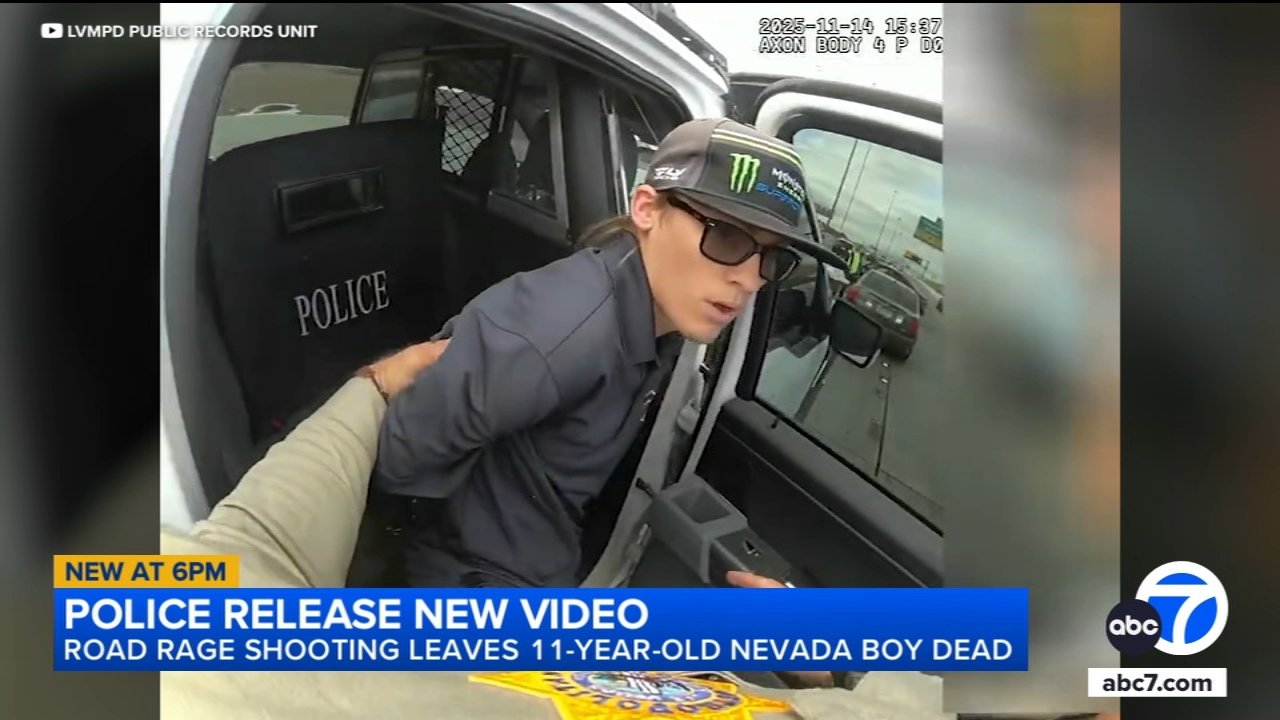
A road rage shooting is a serious form of road-related violence that can turn an ordinary driving experience into a dangerous public safety incident. Roads are shared by thousands of people every day, including commuters, families, cyclists, pedestrians, and professional drivers. Although most disagreements between motorists never become serious, aggressive behavior and violent reactions can create life-threatening situations.
Road rage is often associated with impatience, frustration, reckless driving, and conflicts between motorists. When a confrontation escalates into firearm violence, the consequences can extend far beyond the individuals directly involved. Families, witnesses, nearby communities, and emergency responders may also be affected.
Understanding the meaning of road rage shootings, their possible causes, their social impact, and ways to prevent road conflicts is important for creating safer communities. This article explores the subject from a public safety perspective.
What Is a Road Rage Shooting?
A road rage shooting refers to a shooting incident connected to aggressive behavior or a confrontation between road users. Such incidents may follow disagreements involving traffic congestion, unsafe driving, sudden lane changes, tailgating, or disputes over road space.
Unlike ordinary traffic disagreements, these incidents involve extreme violence and can have permanent consequences.
Road rage shootings are not simply traffic violations. They are serious public safety events that may involve criminal investigations, emergency medical responses, legal proceedings, and long-term emotional consequences.
It is also important to distinguish road rage from ordinary driving frustration. Feeling annoyed by traffic does not automatically mean someone is experiencing road rage. The concern arises when frustration develops into threatening, intimidating, or aggressive behavior.
Common Causes of Road Rage
Several factors can contribute to aggressive behavior on the road. Understanding these factors can help drivers recognize potentially dangerous situations and make safer decisions.
1. Traffic Congestion
Heavy traffic is one of the most common sources of driving frustration. Long delays, crowded roads, and unexpected interruptions can make people impatient. When drivers are already stressed, even minor disagreements may feel more serious than they actually are.
2. Stress and Emotional Pressure
Personal problems, work responsibilities, financial concerns, and lack of sleep can influence someone’s mood. A person experiencing emotional pressure may have difficulty responding calmly to unexpected situations.
Driving requires attention and patience, making emotional self-control particularly important.
3. Aggressive Driving Behavior
Tailgating, excessive honking, dangerous lane changes, and refusing to give other motorists adequate space can increase tension on the road.
When drivers interpret another person’s actions as intentional disrespect, disagreements may escalate unnecessarily.
4. Miscommunication Between Drivers
Drivers cannot always understand another motorist’s intentions. A sudden movement may be accidental, but another person might interpret it as deliberate aggression.
Misunderstandings can become more serious when motorists respond emotionally rather than allowing the situation to pass.
The Serious Consequences of Road Rage Shootings
Road rage shootings can affect individuals and communities in several ways.
Physical Harm and Loss of Life
The most serious consequence is the possibility of severe injury or death. A single violent incident can permanently change the lives of victims and their families.
Emotional and Psychological Effects
Witnessing or experiencing a violent traffic incident can cause fear, anxiety, and emotional distress. People who witness such events may also experience lasting difficulties, even when they are not physically injured.
Legal Consequences
Violence connected to road disputes can lead to serious criminal investigations and legal proceedings. Depending on the circumstances and applicable laws, individuals involved may face significant criminal penalties.
Community Safety Concerns
When violent incidents occur on public roads, other motorists and pedestrians may feel unsafe. Repeated incidents can damage public confidence and increase concerns about everyday road safety.
Warning Signs of Escalating Road Rage
Recognizing aggressive behavior early can help prevent a minor disagreement from becoming a serious incident.
Some warning signs include:
- Repeated aggressive honking or shouting.
- Following another vehicle persistently.
- Making threatening gestures.
- Deliberately blocking another motorist.
- Driving unpredictably to intimidate others.
- Attempting to force another driver into a confrontation.
These behaviors should never be treated as harmless entertainment. The safest response is to avoid engagement and prioritize personal safety.
How to Prevent Road Rage Shootings
Preventing road rage requires responsible decisions from individual drivers, communities, and public authorities.
1. Avoid Confrontations
Do not respond to insults, aggressive gestures, or unnecessary honking. Trying to prove who is right can make an already uncomfortable situation more dangerous.
2. Maintain a Safe Distance
Give other motorists sufficient space. Avoid tailgating, unnecessary competition, and aggressive driving.
3. Control Driving-Related Stress
Allow enough time for journeys and take breaks when feeling tired or frustrated. Remaining patient can reduce the likelihood of emotional reactions.
4. Avoid Following Aggressive Drivers
Never chase or attempt to confront someone who is behaving aggressively. Allowing the situation to end without further interaction is generally the safest choice.
5. Contact Emergency Services
If someone threatens violence or a shooting occurs, contact local emergency services as soon as it is safe to do so. Provide the location and relevant information without putting yourself in danger.
6. Promote Road Safety Education
Schools, driving institutions, community organizations, and traffic authorities can encourage defensive driving, emotional awareness, and respect for other road users.
The National Highway Traffic Safety Administration (NHTSA) provides public guidance about speeding and aggressive driving, emphasizing the importance of responsible road behavior. NHTSA+1
The Role of Law Enforcement in Road Rage Incidents
Law enforcement agencies play an important role in responding to violent traffic incidents. Their responsibilities may include securing affected areas, assisting injured people, collecting relevant evidence, interviewing witnesses, and investigating possible criminal activity.
Authorities also work to discourage aggressive driving through traffic enforcement and public awareness campaigns.
For example, the Virginia State Police has published guidance encouraging motorists to avoid confrontations, maintain distance, and contact emergency services when threatened. Virginia State Police
Effective enforcement, public education, and community cooperation can help reduce the risks associated with road-related violence.
How Road Rage Shooting Incidents Affect Families and Communities
The consequences of a road rage shooting do not end when an incident is over. Families may face emotional distress, unexpected financial difficulties, and the challenges associated with recovery.
Witnesses can also experience fear when an ordinary journey becomes associated with violence. Local communities may become more concerned about highway safety, particularly when incidents receive significant media attention.
Another important concern is the effect on children and passengers who witness frightening events. Families and community support services can help affected individuals process difficult experiences.
Promoting respectful driving habits is therefore not only about preventing traffic accidents. It is also about protecting the well-being of entire communities.
The Importance of Responsible Media Coverage
Road rage shootings frequently attract public attention because they involve unexpected violence in everyday environments.
However, responsible reporting is important. Media organizations should prioritize verified information, public safety advice, and accurate descriptions of investigations.
Sensational headlines and unverified social media claims can create confusion and unnecessary fear. Readers should check information against reliable news organizations and official statements before sharing it.
Educational reporting can help audiences understand the seriousness of road rage without glorifying violent behavior.
Road Rage Shooting: Why Public Awareness Matters
Public awareness is one of the most effective ways to encourage safer driving habits. Many traffic disagreements begin with relatively minor problems, but emotional reactions can increase the danger.
Drivers should understand that reaching a destination safely is more important than winning an argument on the road.
Communities can contribute by promoting courteous driving, encouraging responsible behavior, and reporting genuine threats to appropriate authorities.
Governments can also support safer roads through traffic regulations, driver education, and effective emergency response systems.
Frequently Asked Questions (FAQs)
1. What is a road rage shooting?
A road rage shooting is a firearm-related violent incident associated with an aggressive confrontation between motorists or other road users. It is a serious public safety concern.
2. What causes road rage shootings?
Possible contributing factors include traffic disputes, frustration, aggressive driving, emotional stress, and misunderstandings between motorists. However, every incident has its own circumstances.
3. Is road rage considered a criminal offense?
Aggressive driving and road rage are not always legally classified in the same way. However, threatening or physically attacking another person can result in serious criminal charges depending on local laws.
4. How can drivers avoid road rage?
Drivers can reduce risks by remaining calm, respecting traffic rules, avoiding confrontations, maintaining appropriate distances, and refusing to respond to aggressive behavior.
5. What should someone do if confronted by an aggressive driver?
Avoid arguing or making threatening gestures. Keep a safe distance, avoid confrontation, and contact local emergency services if you feel threatened.
6. Why are road rage shootings a public safety concern?
They can cause serious injuries, loss of life, emotional trauma, and fear among ordinary road users. They also place additional responsibilities on emergency responders and law enforcement agencies.
7. Can road safety education reduce aggressive driving?
Yes. Education can help drivers understand the consequences of aggressive behavior, improve emotional awareness, and develop safer driving habits.
8. Why is responsible reporting important?
Accurate reporting helps people understand incidents without spreading rumors, exaggerating details, or encouraging dangerous behavior.
Conclusion
A road rage shooting represents one of the most serious possible outcomes of aggressive behavior on public roads. What begins as a disagreement over traffic can develop into a dangerous situation with lasting consequences for victims, families, and communities.
Preventing these incidents requires patience, responsible driving, public awareness, and effective law enforcement. Every motorist has a responsibility to respect others and avoid unnecessary confrontations.
Ultimately, road safety is about much more than following traffic signs and reaching a destination. It is about protecting human lives and ensuring that public roads remain safe for everyone.